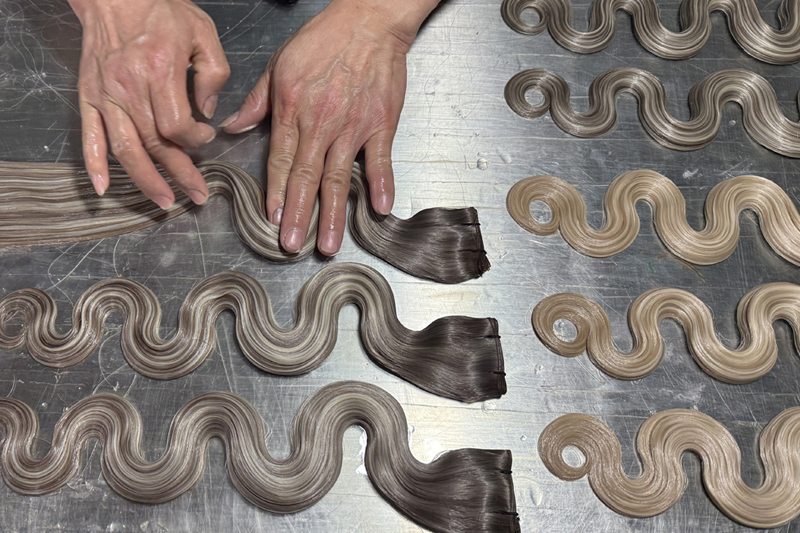
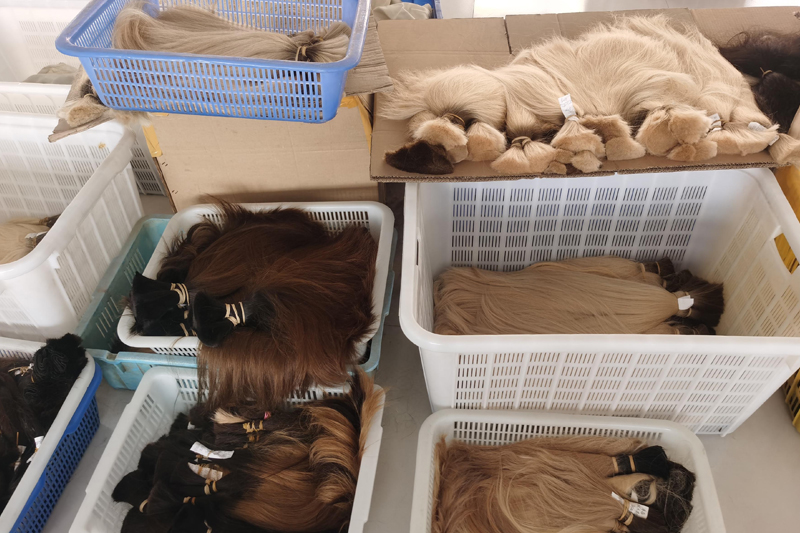
I see many buyers waste money on nice photos and cheap promises. Then they get mixed hair, weak quality, and late delivery.
The best hair company in China is not just the one with the lowest price. In my view, it is the one with stable Remy human hair quality, honest factory control, clear communication, and long-term support for salons and brands. In China, strong hair factory clusters are often found in Xuchang, Qingdao, Guangzhou, and nearby production areas.
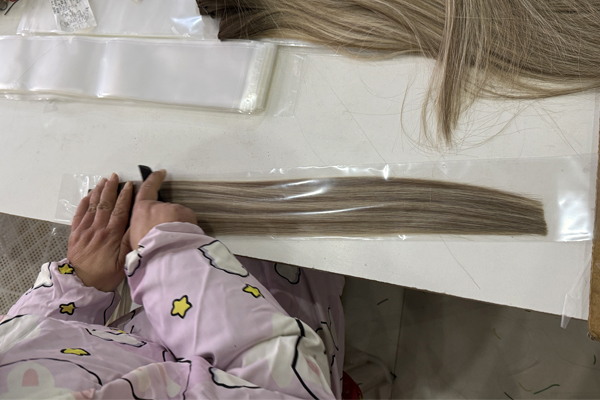
When I talk with salon owners and distributors, I notice the same fear again and again. They do not just want hair. They want a supplier they can trust. They want quality that stays the same from sample to bulk order. They want a company that helps them protect their own brand name. That is why I do not answer this question by naming one famous company and stopping there. I answer it by showing how I judge a factory in the real world.
Is Luvme wigs from China?
Many buyers know the brand name, but they still feel unsure about where the products really come from.
Luvme is a hair brand with roots in China, and many of its products are linked to Chinese supply chains and factories. In practice, brands like this often work with more than one production base or partner factory.

When I look at brands like Luvme, I do not only ask where the office is. I ask where the hair is sourced, where it is processed, and who controls the final quality. This matters more than marketing. A well-known brand can still use several factories. That is common in this business. Some production may be in Xuchang. Some may be in Qingdao. Some support work may be in Guangzhou. Some brands also spread orders across other countries when they need more capacity.
What does this mean for a buyer like Bellami or for any salon brand in Canada? It means I should not judge a supplier only by the logo on the box. I should judge the real supply chain behind it. I want to know who checks the cuticles, who sorts the lengths, who tests shedding, and who makes sure the hair stays soft after washing.
| What I check | Why it matters |
|---|---|
| Real factory location | It helps me see if the company truly makes hair |
| Product focus | A focused factory is often better than a company that sells everything |
| Sample consistency | Good samples must match future bulk orders |
| Communication speed | Fast and clear replies reduce risk |
| Quality control process | It shows if the supplier works in a serious way |
I have learned that strong suppliers do not hide behind brand language. They show me real workshop photos, clear videos, and honest answers. That is how I separate a true factory partner from a trading shell.
What are the healthiest hair extensions to get?
Many women want longer or fuller hair, but they also worry about traction, glue, and daily damage.
The healthiest hair extensions are usually clip-in and halo extensions because they do not need glue, heat, or chemicals. For semi-permanent wear, tape-ins, microbeads, and well-installed hand-tied wefts are often gentler choices.
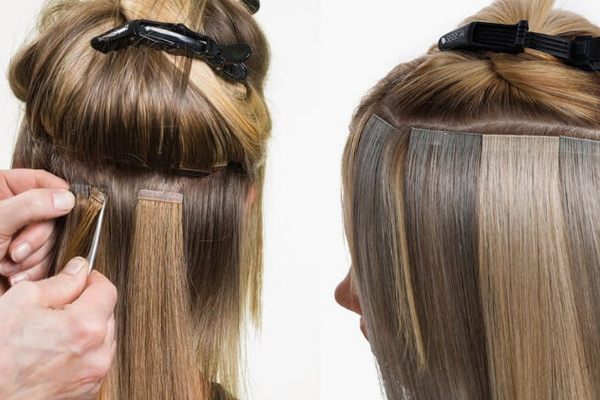
When I speak from experience, I always start with one simple truth. No extension method is fully risk-free if it is installed badly or worn without care. The healthiest option depends on how often I wear it, how strong my natural hair is, and how well the method is applied.
Clip-ins are easy to remove each day. That gives the scalp and roots a rest. Halo extensions are also light on the hair because they sit on the head instead of being fixed across many small sections. These two are often the safest for people who want low commitment and low stress on the hair.
For a longer-wear method, I think tape-ins can be a smart option when the sections are clean and balanced. Microbeads can also work well when the stylist does not pull too tightly. Hand-tied wefts can be gentle too because they spread weight across a wider area.
| Extension type | Damage level | Best for |
|---|---|---|
| Clip-in | Low | Part-time wear |
| Halo | Low | Quick volume and length |
| Tape-in | Medium to low | Semi-permanent natural look |
| Microbead | Medium to low | Flexible salon wear |
| Hand-tied weft | Medium to low | Fuller long-term wear |
| Glue-based methods | Higher | Only with strong aftercare |
I always tell buyers this: the method matters, but the hair quality matters too. Soft, clean, cuticle-aligned human hair tangles less. That means less pulling during brushing and less stress during daily wear.
Which hair extensions stay in the longest?
Some buyers want hair they can remove at night. Others want a method that stays secure for weeks.
The longest-lasting installed extensions are usually sewn-in wefts, hand-tied wefts, microbeads, and tape-ins. Their wear time depends on the method, hair growth, installation quality, and home care.
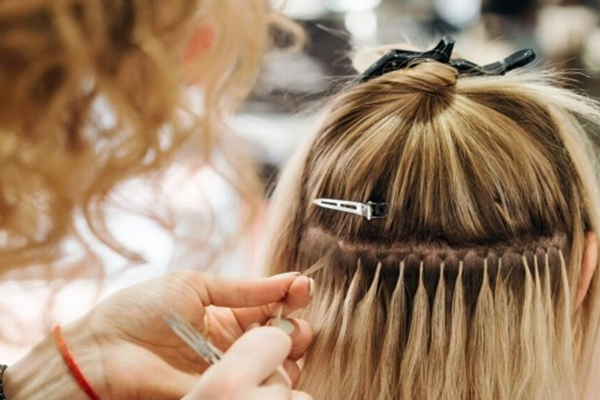
When I answer this question, I separate two ideas. One is how long the method stays attached. The other is how long the hair itself stays beautiful. These are not the same thing.
A method like hand-tied weft or sewn-in weft often stays secure for several weeks because it is fixed well and spreads weight across the head. Tape-ins can also stay in place for weeks when they are applied on clean hair and kept away from heavy oil near the tabs. Microbeads may also last a long time when installed correctly.
But I have seen buyers make one mistake. They focus only on wear time. Then they ignore hair quality. A method may stay attached, but if the hair gets dry, tangles, or sheds too much, the customer will still feel disappointed.
That is why I look at both hold time and product life.
| Method | Usually stays in | Main risk |
|---|---|---|
| Tape-in | Several weeks | Slipping from oil or poor prep |
| Microbead | Several weeks | Tension if installed too tightly |
| Hand-tied weft | Several weeks | Stress if rows are too heavy |
| Sew-in | Several weeks | Pulling if braid base is tight |
| Clip-in | Daily wear only | Can still stress hair if overused |
From my side as a manufacturer-minded writer, I believe the best long-wear extension is the one that balances hold, comfort, and repeat salon results. Longest is not always best. Stable and wearable is better.
How to take care of remy human hair extensions?
Good Remy hair can still turn dry and rough if the care routine is wrong.
To care for Remy human hair extensions, I use gentle brushing, sulfate-free washing, light conditioner on mid-lengths and ends, low heat, and proper storage. I also avoid over-washing and rough pulling at the bonds.
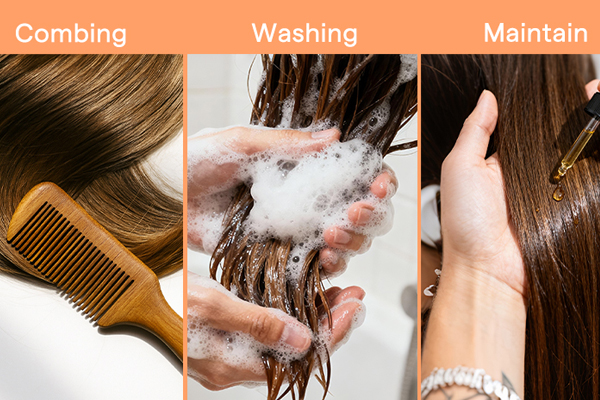
I like to keep this part simple because over-care can damage hair just as much as poor care. Remy hair is premium because the cuticles stay aligned. That helps reduce tangling. But it still needs a calm routine.
First, I brush from the ends and work upward. I never pull from the root area. Second, I wash with mild products. I keep shampoo near the scalp and let the lather move down gently. I put conditioner mostly on the mid-lengths and ends, not on tapes, bonds, or beads. Third, I use low heat or air dry when possible.
Storage is also important. If the extensions are removable, I store them clean, dry, and smooth. If they are installed, I tie the hair loosely before sleep to reduce friction.
| Care step | What I do |
|---|---|
| Brushing | Start at the ends and move up |
| Washing | Use gentle shampoo and lukewarm water |
| Conditioning | Focus on mid-lengths and ends |
| Drying | Pat dry and use low heat |
| Sleeping | Tie loosely to reduce tangling |
| Styling | Use heat protectant and avoid excess heat |
In my own factory thinking, good hair deserves disciplined care. That is what keeps Remy hair soft, shiny, and useful for a longer time.
How often should I wash hair extensions?
Some people wash too often because they treat extensions like natural hair. Then the hair becomes dry fast.
I usually suggest washing hair extensions about once or twice a week, depending on scalp oil, product buildup, and lifestyle. Over-washing can dry the hair, while under-washing can lead to buildup and tangling.
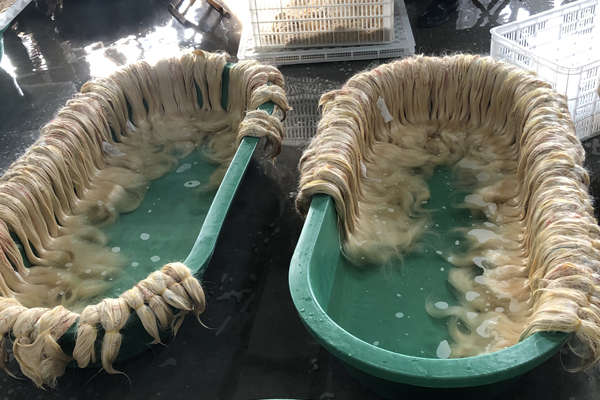
This is one of the most common questions I hear, and I think the confusion comes from one fact. Extensions do not receive natural scalp oil in the same way natural hair does. So they do not need constant washing. At the same time, installed extensions can collect sweat, spray, and daily dirt. So they cannot be ignored either.
For many users, once a week works well. For some, especially after workouts or heavy product use, twice a week may make more sense. I do not like daily washing for extensions. It often leads to dryness, fading, and shorter product life.
I also tell readers to look at signs, not just the calendar. If the hair feels heavy, sticky, or dull, it may need a wash. If it still feels soft and clean, I leave it alone.
| Situation | Wash guide |
|---|---|
| Light daily wear | About once a week |
| Heavy product use | Up to twice a week |
| Frequent gym or sweat | Around 1–2 times a week |
| Dry extension hair | Wash less and condition well |
I find that smart washing is part of smart buying. A good extension product should not force the user into high maintenance. Good hair should make life easier, not harder.
Conclusion
The best hair company in China is the one that gives me stable quality, honest factory control, and hair that performs well long after the first order.