Do you dream of building your own hair extension business? Are you ready to turn that dream into a reality? It takes planning and effort.
Creating your own hair extension brand involves clear steps. You need to define your brand, find good suppliers, choose a business model like dropshipping or wholesale, legalize your business, build an online presence, create strong branding, and focus on smart marketing to attract clients.
When I first started in the hair industry, I saw many opportunities. The market is big. People always want good hair. I knew that having a strong brand would be key. Let’s explore how you can make your mark.
Do I Need a Business License to Sell Hair Extensions?
Are you unsure about the legal side of starting your business? Many new entrepreneurs ask this question. It is a very important step.
Yes, you need to legalize your business to sell hair extensions. You should register your business. A common choice is to register as a Limited Liability Company (LLC). You also need a Tax Identification Number (EIN). This is like a social security number for your business. Make sure your chosen business name is not already trademarked.
When I launched Topstar Hair, I learned firsthand how important legal steps are. It is not just about avoiding problems. It is about building a strong foundation. Registering your business as an LLC protects your personal assets. This means if something goes wrong with the business, your personal money or house is safe. Getting an EIN is easy. You can do it online with the IRS. This number is necessary for taxes and opening a business bank account. I also strongly advise checking if your chosen business name is free. A quick trademark search can save you a big headache later. You do not want to build a brand only to find someone else owns the name. I remember spending a lot of time on this. It felt like a chore. But it was crucial for my peace of mind and for the future of Topstar Hair. Local city and county licenses might also be needed. Check your specific location’s rules.
Essential Legal Steps for Your Hair Extension Brand
Let’s break down the key legal requirements. These will help you start properly.
| Step | Description | Why It’s Important |
|---|---|---|
| Business Registration (LLC) | Register your business as a legal entity, like a Limited Liability Company. | Protects personal assets; adds credibility. |
| Employer Identification Number (EIN) | Obtain a federal tax ID number from the IRS. | Necessary for taxes, opening business bank accounts, hiring. |
| Trademark Search | Check if your business name and logo are already trademarked. | Prevents legal disputes; secures your brand identity. |
| Local Licenses/Permits | Obtain specific licenses required by your city or county. | Ensures compliance with local regulations. |
| Business Bank Account | Open a separate bank account for your business finances. | Clearly separates personal and business expenses; simplifies accounting. |
These steps might seem tedious. They are vital for your long-term success. Do not skip them. They protect you and your brand.
How Much Does It Cost to Start a Hair Care Brand?
Are you worried about the money needed to start? Many people are. Knowing the costs helps you plan well.
The cost to start a hair care brand varies greatly. It depends on your business model. Dropshipping can start with minimal investment. Wholesale or inventory models require more cash. Expect initial investments for samples, website creation, marketing, and business registration. It can range from a few hundred dollars to over $10,000.
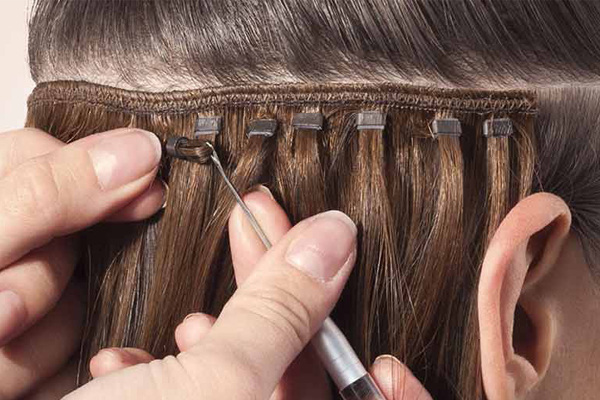
From my experience, the initial investment for Topstar Hair was significant. We chose an inventory-based model to ensure consistent quality. This meant buying a good amount of hair upfront. If you are starting fresh, without much capital, dropshipping is a great way to begin. You sell hair, and your supplier ships it directly to your customer. This means less money needed for inventory. However, you have less control over product quality and shipping times. If you choose the wholesale/inventory model, you need at least $10,000. This covers buying hair in bulk. It also covers custom packaging. Plus, you need money for a professional website. Shopify is a good platform. It costs money each month. Social media marketing also takes time and sometimes money for ads. My advice is to have a clear budget. Start smaller if you need to. You can always grow later. The key is to make smart choices early on. Do not overspend before you prove your concept.
Cost Breakdown for Different Business Models
Let’s look at the costs for different ways to sell hair extensions.
Dropshipping Model
| Expense | Estimated Cost | Details |
|---|---|---|
| Website Hosting/Platform | $29-$79/month | Shopify subscription or similar. |
| Domain Name | $10-$20/year | Your brand’s web address. |
| Product Samples | $100-$300 | Essential for quality checks. |
| Business Registration | $100-$500 (one-time) | LLC filing fees. |
| Marketing | $50-$200/month | Social media ads, content creation tools. |
| Total Initial | $500-$1,000+ | Relatively low startup for beginners. |
Wholesale/Inventory Model
| Expense | Estimated Cost | Details |
|---|---|---|
| Initial Inventory | $5,000-$20,000+ | Bulk hair purchase – major cost. |
| Website Hosting/Platform | $29-$299/month | More advanced Shopify plans might be needed. |
| Domain Name | $10-$20/year | Your brand’s web address. |
| Product Samples | $100-$300 | Still important for quality control. |
| Business Registration | $100-$500 (one-time) | LLC filing fees. |
| Custom Packaging/Branding | $500-$2,000+ | Branded boxes, satin bags, labels. |
| Marketing | $200-$1,000+/month | Professional videos, influencer collaborations, ads. |
| Photography | $300-$1,000+ | High-quality product photos. |
| Total Initial | $10,000-$30,000+ | Higher initial investment for greater control. |
These numbers are estimates. Your costs can be higher or lower. The key is careful budgeting.
How to Find a Good Hair Extensions Vendor?
Are you worried about getting bad quality hair? Finding a trustworthy vendor is one of the most critical steps. My whole business depends on this.
To find a good hair extension vendor, you must do your homework. Order samples from many manufacturers. Test them for shedding. Check for tangling. Look at the overall quality. Do this before you place large orders. A good vendor provides consistent quality and good communication.
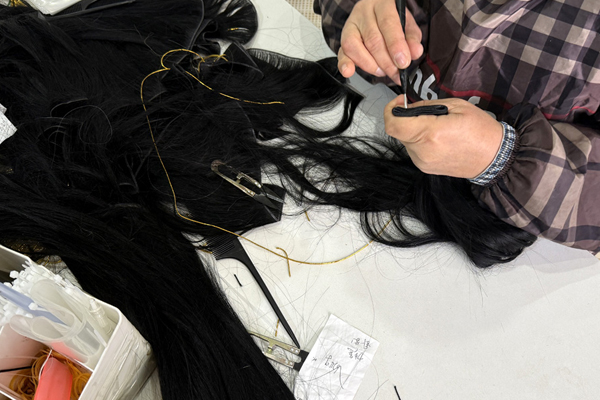
When I was setting up Hair Brand, I literally ordered samples from dozens of suppliers. This was a long process. I tested each sample myself. I did wash tests. I did comb tests. I even tried to dye some of the samples myself. I wanted to see how they reacted. I learned that some vendors promise good things but deliver low quality. Other times, the communication was bad. It became clear that a good vendor is like a partner. They need to understand what you want. They need to deliver it consistently. They also need to be transparent about their sourcing. For example, we specialize in high-quality human hair extensions. Our 10 years of experience means we know the difference. We work closely with our suppliers. We ensure ethical sourcing. We ensure consistent processing. My rule is never to order in bulk until I am 100% happy with the samples. This step truly protects your brand’s reputation.
Key Criteria for Vendor Selection
Follow these points to choose the best vendor.
- Sample Testing:
- Order Samples: Always get samples before a bulk order.
- Shedding Test: Gently pull on the hair. See how much hair comes out. Little to no shedding is good.
- Tangle Test: Wash and comb the hair. If it tangles easily, it is not good.
- Quality Inspection: Look at the cuticles. Feel the texture. Check for chemical smells.
- Communication:
- Responsiveness: Does the vendor reply quickly?
- Clarity: Is their English clear? Do they understand your questions?
- Customization:
- Do they offer custom lengths, textures, or even packaging? This helps your brand stand out.
- Ethical Sourcing:
- Ask about their sourcing methods. This is important for your brand’s image.
- Pricing:
- Get quotes from several vendors. Compare prices. Do not just go for the cheapest. Quality costs money.
This careful selection process builds a strong foundation for your brand. Good hair starts with a good vendor.
How to Get More Hair Extension Clients?
Are you ready to sell your amazing hair extensions? Getting clients is how your business grows. This is the fun part!
To get more hair extension clients, focus on building a strong online presence. Create high-quality video content. Encourage user-generated content from your customers. Collaborate with influencers. Use social media platforms like Instagram and TikTok. These strategies build trust and show off your products effectively.
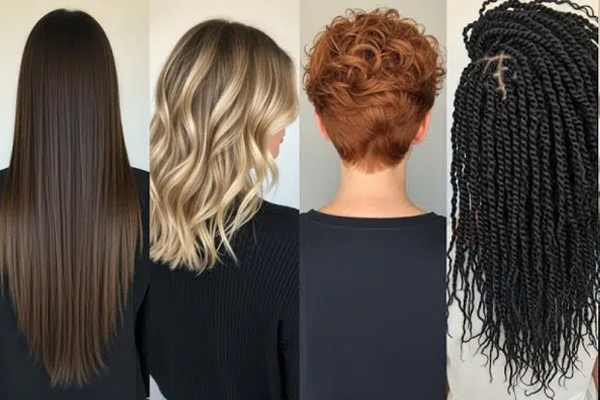
From my own experience, simply having great hair is not enough. You need to show it off. When Topstar Hair started, we invested heavily in showing our product. Instagram and TikTok are kings for visual products like hair. I found that short, engaging videos work best. Show the hair being installed. Show it after a few washes. Show happy customers. Encourage your customers to post photos and videos. This "user-generated content" is very powerful. People trust reviews from other users more than ads. I also learned the value of working with influencers. Find people who truly love your product. They do not need millions of followers. Even micro-influencers with smaller, dedicated audiences can bring great results. Offer them free hair. They will show it to their followers. This builds a lot of buzz. Remember, consistency is key in marketing. Keep posting. Keep engaging. Keep showing your quality.
Effective Marketing Strategies for Hair Extension Brands
Let’s look at ways to reach more clients.
- Content Marketing:
- High-Quality Videos: Create tutorials (installation, styling, care). Show before and after. Use good lighting.
- Behind-the-Scenes: Show your product quality checks. Show your ethical sourcing. This builds trust.
- Blog Posts: Write about hair care tips, product comparisons, and trends.
- Social Media Engagement:
- Instagram & TikTok: These platforms are highly visual. Post daily. Use relevant hashtags.
- User-Generated Content (UGC): Run contests. Ask customers for reviews. Repost their pictures or videos.
- Live Sessions: Do Q&A sessions. Show new products.
- Influencer Collaborations:
- Identify Influencers: Find stylists, beauty bloggers, or content creators who fit your brand.
- Send Free Product: Offer free hair in exchange for honest reviews and posts.
- Affiliate Programs: Give influencers a commission for sales they bring.
- Customer Service:
- Responsive Support: Answer questions quickly. Help solve problems.
- Build Community: Create a loyal customer base. They will spread the word.
- Paid Advertising:
- Targeted Ads: Use Facebook or Instagram ads. Target people interested in hair extensions.
- Google Ads: Appear at the top of search results.
These methods help you connect with potential clients. They help you build a reputable brand.
Conclusion
Building your own hair extension brand means defining it. Find reliable suppliers. Choose the right business model. Cover legal needs. Create a strong online presence. Focus on effective marketing. These steps lead to success.