Are you tired of inconsistent hair quality and unreliable suppliers? Do you want to truly control the quality of the hair you offer your clients? Choosing the right vendor is absolutely critical.
Finding a good hair vendor means identifying true source factories, not just traders. You need to understand which hair type best suits specific markets like African-American, Latina, or European clients, and assess the vendor’s ability to provide consistent quality and localized services to minimize your salon’s risk.
In the wig industry, "source" doesn’t just mean a low price. It means having absolute control over quality. For the U.S. salon market, I suggest we look at three key areas to pick the best suppliers. As someone who’s been in this game for a while, I can tell you, this isn’t just theory; it’s what I’ve seen work time and again.
Where can I find top-quality hair extension solutions?
Do you feel lost in a sea of hair suppliers, not knowing where to begin your search? It can be overwhelming when everyone claims to be the "best source."
To find top-quality hair extension solutions, you must see past the marketing. Focus on identifying actual factories with specialized production. Look for vendors whose business licenses clearly state "processing/production" and whose shipping locations align with known hair-producing regions like Xuchang, Qingdao in China, or Bac Ninh in Vietnam. Ask for live video calls directly from their workshop floor.
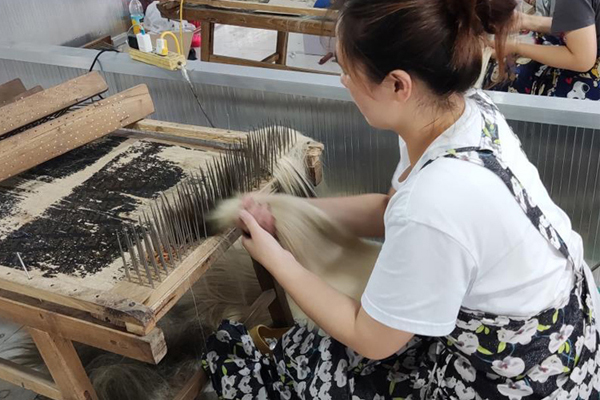
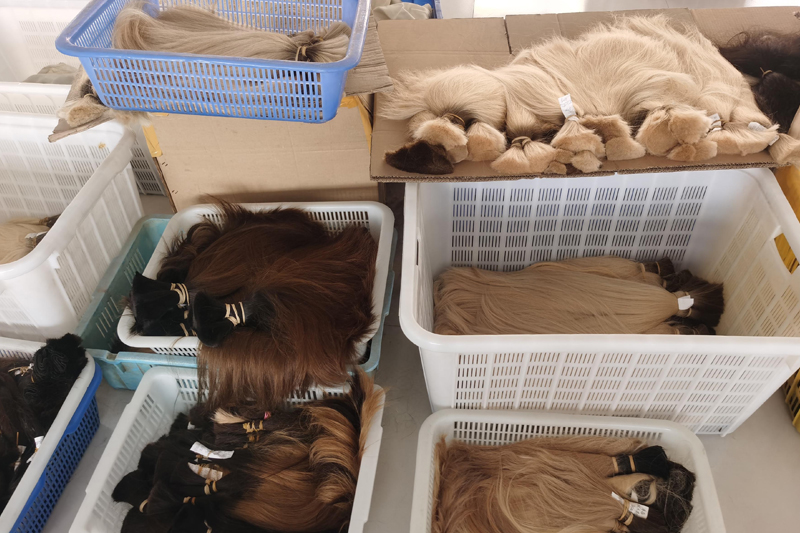
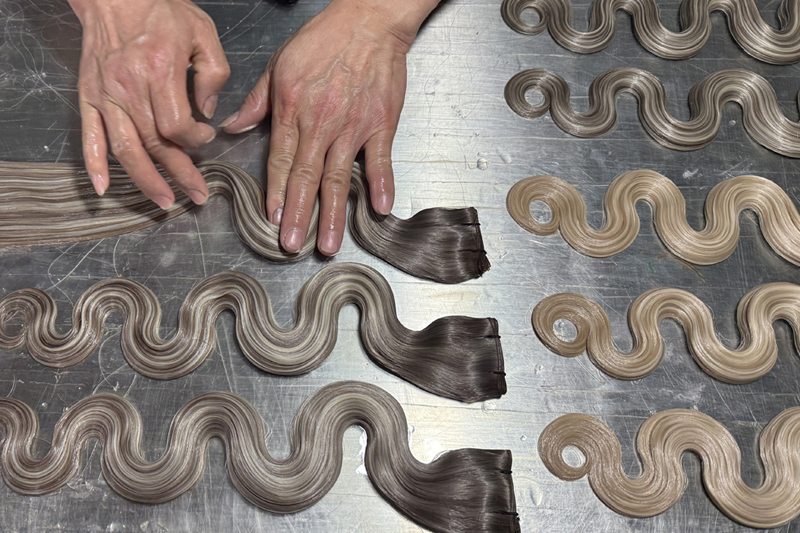
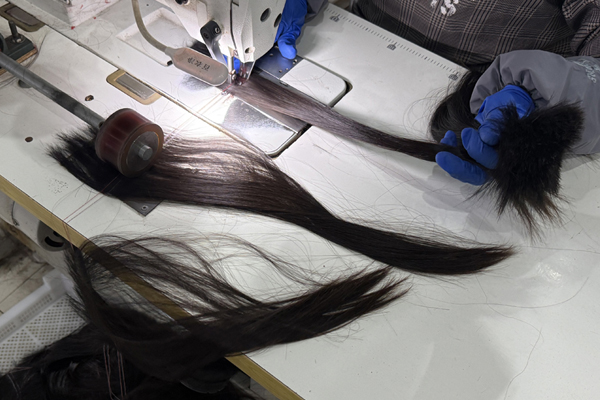
When I first started, I chased every "factory direct" claim only to find many were just fancy storefronts for traders. They’d buy from somewhere else and resell. That doesn’t give you control, and it certainly doesn’t guarantee quality. A real factory, a true source, has a singular focus. Think about it: a real top-tier factory usually specializes. They might only do high-end straight hair, or maybe they’re masters of HD lace. If you find a vendor selling everything under the sun—lashes, glue, tools, hair extensions—they’re probably more of a "department store" than a manufacturer. I learned that you need to be direct. Don’t fall for polished promotional videos. Ask for a live video call from their workshop. Not just a showroom, but the actual production floor. Watch their workers’ hands. See how the raw hair (Raw Hair) is stacked. Look for dyeing vats and drawing beds. These are signs of actual processing. Also, check their business license; it must show "processing/production." If their shipping comes from places like Xuchang or Qingdao in China, or Bac Ninh in Vietnam, that’s a good sign. Those are the heartlands of hair production.
How to Spot a Genuine Hair Source vs. a Trader
It’s crucial to distinguish between a real factory and a reseller. Here’s a quick guide.
| Feature | True Factory (Source) | Trader/Reseller |
|---|---|---|
| Specialization | Highly specialized (e.g., only high-end straight hair, specific lace types). | Sells a wide variety of unrelated products (lashes, tools, etc.). |
| Verification | Can provide live video calls from workshop floor; shows raw materials, machinery. | Relies on polished videos and photos; less transparent about production. |
| Business License | Includes "processing/production" in its scope. | Often only shows "trading" or "export." |
| Shipping Origin | Corresponds to known production hubs (Xuchang, Qingdao, Bac Ninh, etc.). | Less specific or from major trading ports. |
| Pricing Control | Direct pricing, less room for negotiation based on small quantities. | Prices often fluctuate, more room for negotiation but less consistency. |
Remember, your goal is to partner with someone who makes the hair, not just moves it.
How to choose the right USA human hair supplier?
Are you wondering how to pick a supplier that truly meets the needs of your diverse American clientele? It’s not a one-size-fits-all situation.
Choosing the right USA human hair supplier means knowing your target market. There isn’t "one best hair." Instead, match the hair’s origin and characteristics to your clients’ needs. Vietnamese and Cambodian hair is excellent for extreme bleaching to 613 blonde, while Indian hair is ideal for natural blending, especially for extensions with finer textures. Chinese hair excels in lace craftsmanship and vibrant colors.
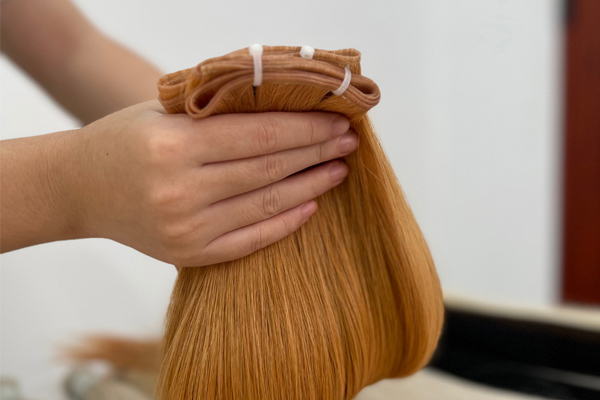
When I say "no best hair," I mean it. What’s best for one client might be terrible for another. It all comes down to the origin and natural properties of the hair. Each region has its strengths, almost like a natural endowment. For instance, if your clientele includes high-end African American or Caucasian clients who demand extreme bleaching, often to 613 blonde or even lighter, you must go for Vietnamese or Cambodian hair. Their strands are naturally thick and robust, with intact cuticles. They can withstand multiple bleaching processes without breaking easily. It’s like they’re built for it. Now, for your Latina or Caucasian clients who want seamless hair extensions, especially tape-ins, I’d recommend Indian hair. It’s naturally fine and has a slight wave, blending incredibly well with Western hair textures. It looks so natural, people won’t even know it’s extensions. And then there’s Chinese hair, particularly from Qingdao or Xuchang. If you’re looking for trendy styles, vibrant colors, or the absolute best in lace craftsmanship, they’re unbeatable. Seriously, for HD lace and those amazing ombre or colorful styles, China absolutely dominates the market. So, it’s not about finding the "best" hair, but the "right" hair for your specific client group.
Hair Origin and Market Suitability
Here’s a breakdown to help you match hair types to client needs.
| Hair Type | Characteristics | Ideal Market/Application |
|---|---|---|
| Vietnamese/Cambodian Hair | Thick strands, strong cuticles, very durable. | High-end African American/Caucasian clients for extreme bleaching (613/platinum). |
| Indian Hair | Fine texture, naturally wavy, blends well. | Latina/Caucasian clients for natural-looking, undetectable extensions (e.g., tape-ins). |
| Chinese Hair (Qingdao/Xuchang) | Best in lace craftsmanship, color processing, trending styles. | Mass market, clients seeking HD Lace, fancy colors, ombres, and intricate styles. |
Understanding these differences is key to building a reputation for delivering exactly what your clients need.
How to tell if you have real human hair extensions?
Are you concerned about whether the hair you’re getting is truly what it claims to be? It’s a common fear in this industry.
To tell if you have real human hair extensions, primarily test for Silicone Free products. Real human hair doesn’t need to be covered in silicone to feel smooth. A genuine, high-quality human hair supplier will stand by their product’s natural state. Additionally, observe how it reacts to heat, water, and dye, as synthetic or mixed hair will behave differently.
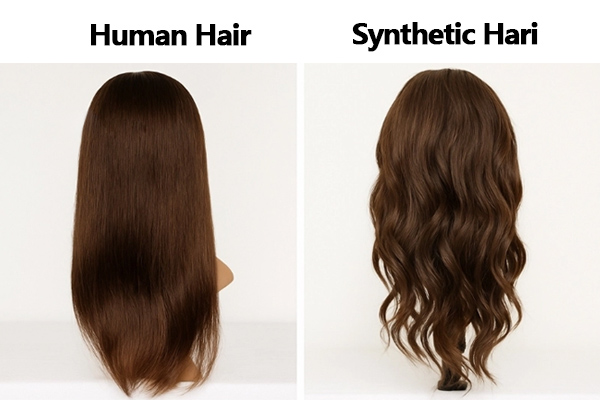
This is where the rubber meets the road. Many suppliers try to trick you with silicon-coated hair. It feels super soft and smooth at first, right? But that’s often just a temporary mask. The silicone washes off after a few shampoos, revealing the true, often tangled and dry, hair underneath. This is why you must ask your supplier if they offer Silicone Free products. A truly good human hair doesn’t need silicone. Its natural cuticles are intact, making it smooth and manageable on its own. I’ve always prioritized working with suppliers who understand this and can provide raw, unprocessed hair or hair processed minimally. Beyond asking, you can do some simple tests. Burn a strand: real human hair will smell like burnt hair and turn to ash, while synthetic hair melts into a hard bead. Wet it: real human hair might have a slight wave or curl once wet, reflecting its natural state. Synthetic hair usually stays perfectly straight. And try to dye it lightly; real hair will take the color, while synthetic hair won’t. This isn’t just about avoiding a bad batch; it’s about protecting your salon’s reputation.
Tests for Real Human Hair
Here are some ways to verify your hair extensions.
| Test | How to Perform | Real Human Hair Outcome | Synthetic/Mixed Hair Outcome |
|---|---|---|---|
| Silicone Check | Ask supplier for "Silicone Free" product; wash thoroughly. | Smoothness persists after washing. | Becomes rough, dry, or tangled after washing. |
| Burn Test | Light a small strand with a flame. | Smells like burnt hair, turns to soft ash. | Melts into a hard, plastic-like bead, smells like plastic. |
| Water Test | Wet a small section of hair. | May show natural wave/curl patterns, absorbs water. | Stays straight, water beads up, doesn’t absorb well. |
| Dye Test | Apply hair dye to a small, inconspicuous strand. | Takes color well. | Resists dye; color does not adhere or changes unnaturally. |
| Feel Test | Run fingers through the hair from root to tip. | Smooth, consistent texture; natural bounce. | Can feel overly slick initially (silicone), then rough; may feel unnaturally soft or "plastic-y." |
Trust your instincts and these tests to ensure you’re getting genuine human hair.
Where you can buy natural human hair extensions?
Are you struggling to find sources for authentic, natural human hair extensions that truly meet your quality standards? The search can be exhausting.
You can buy natural human hair extensions directly from specialized source factories in key Asian regions. Prioritize those with robust raw material grading standards. These factories can guarantee consistent quality, avoiding issues where the first batch is great but subsequent ones decline. Look for suppliers who maintain high consistency year-round.
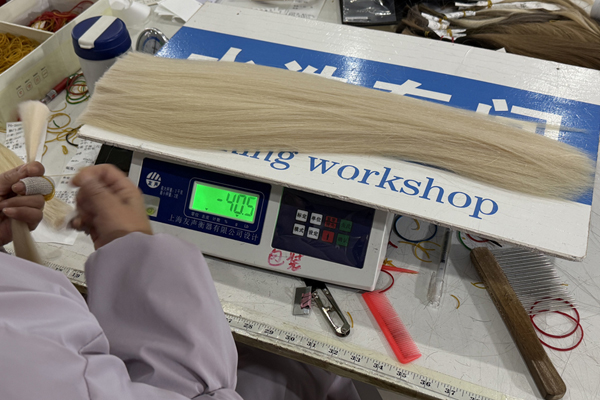
Okay, so you’ve done your homework, you know the type of hair you need. Now, where do you actually get it? The best place, from my perspective, is directly from the source factories in those hair-producing regions we talked about. But not just any factory. You’re looking for one with a strong "strength model." What does that mean for a salon owner like yourself? It’s about risk control. First and foremost, you need consistency. I’ve heard countless horror stories—and experienced a few myself early on—where the first batch from a new vendor was amazing, only for the second or third order to be a total disaster. The only way to combat this is to work with factories that have stringent raw material grading standards. They don’t just buy any hair; they sort it, process it, and grade it meticulously. This means that whether you order in January or July, the hair you get feels and looks the same. That kind of consistency is golden. It protects your reputation and keeps your clients happy.
Parameters for Assessing Supplier Strength
Evaluate suppliers based on these critical aspects to ensure reliability.
| Parameter | Description | Why It’s Important for Salon Owners |
|---|---|---|
| Quality Consistency | Supplier maintains strict raw material grading and quality control processes. | Ensures every batch of hair is uniform, protecting salon reputation. |
| Raw Material Source | Clear, ethical, and consistent sourcing of authentic human hair. | Guarantees product authenticity and ethical practices. |
| Production Capacity | Ability to handle large orders without compromising quality or delivery times. | Ensures scalability for your business without supply chain disruptions. |
| Technological Understanding | Familiarity with advanced processing (e.g., Silicone Free, durable lace). | Access to innovative products that meet market demands. |
| Long-Term Relationship | Willingness to be a partner, not just a seller; open to feedback and improvement. | Fosters trust and allows for custom solutions and continuous improvement. |
Finding a supplier with a robust "strength model" minimizes your risks and supports your salon’s growth.
Are your clients always asking about the longevity of their hair investments? Providing clear, honest answers builds trust and loyalty.
Premium hair extensions can last significantly longer than standard ones, often ranging from 6 months up to 2 years or even more, depending on several factors. These include the hair’s quality (e.g., Vietnamese/Cambodian for durability, Indian for natural blend), proper installation, consistent client care, and ethical sourcing which ensures cuticle alignment, minimizing tangling and extending lifespan.
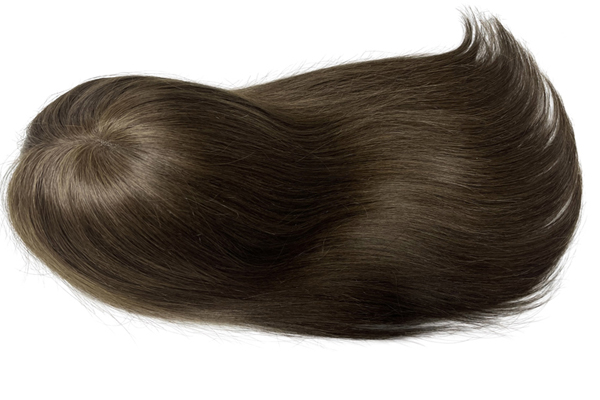
This is a question I get asked all the time, especially from salon owners who want to assure their clients. The truth is, "premium" doesn’t just mean expensive; it means durable and long-lasting, but it’s not magic. The lifespan of premium hair extensions is a combination of factors. First, the quality of the hair itself is paramount. As we discussed, Vietnamese and Cambodian hair, for instance, are known for their robust strands that can endure a lot, meaning they often last longer even with coloring and heat styling. Indian hair, while finer, if properly cared for, can also have a very respectable lifespan due to its natural, unprocessed structure. Second, proper installation by a skilled stylist is non-negotiable. Extensions that are poorly installed will not only look bad but will also deteriorate faster. Third, and perhaps most crucially, is client care. No matter how premium the hair is, if your client isn’t using the right products (sulfate-free!), isn’t brushing it correctly, or is subjecting it to excessive heat without protection, its life will be cut short. Educating your clients is part of selling premium hair. Finally, that "silicon-free" aspect we talked about? When hair isn’t masked with silicone, its natural cuticles are aligned. This drastically reduces tangling and matting, which are major enemies of hair longevity. A well-sourced, ethically processed, and well-maintained premium extension can easily last from 6 months to over a year, sometimes even two years or more with meticulous care. It’s an investment, and like any investment, it needs care.
Factors Affecting Hair Extension Longevity
Here’s how various elements contribute to or detract from extension lifespan.
| Factor | Impact on Longevity | Salon Action / Client Education |
|---|---|---|
| Hair Origin/Quality | Stronger, intact cuticles (e.g., Vietnamese) last longer. | Source appropriate hair types; highlight benefits to clients. |
| Installation Method | Proper attachment prevents damage and premature shedding. | Ensure stylists are highly trained in extension application. |
| Client Hair Care | Use of sulfate-free products, proper brushing, heat protection. | Provide detailed aftercare instructions and product recommendations. |
| Silicon Content | Silicone masks poor quality; washes off, leading to tangles and shorter life. | Offer silicone-free hair; explain benefits of cuticle-aligned hair. |
| Lifestyle | Active lifestyles (swimming, intense workouts) can reduce lifespan. | Advise clients on protective styling during activities. |
| Maintenance | Regular salon visits for re-tightening/adjustments. | Emphasize importance of follow-up appointments. |
By managing these factors, you can significantly extend the life of premium hair extensions and ensure client satisfaction.
Conclusion
Finding a good hair vendor means digging deep. You need to identify real factories, understand diverse hair types for your clientele, and verify quality constantly. Prioritize consistency and local service, educate your clients, and you’ll build a trustworthy and successful hair extension business.